We are entering a new metals age.
Not because the world suddenly discovered new elements, but because the way minerals are used has fundamentally changed. From energy transition and advanced manufacturing to national security and digital infrastructure, nearly every modern system now depends on a complex mix of metals once considered niche or obscure.
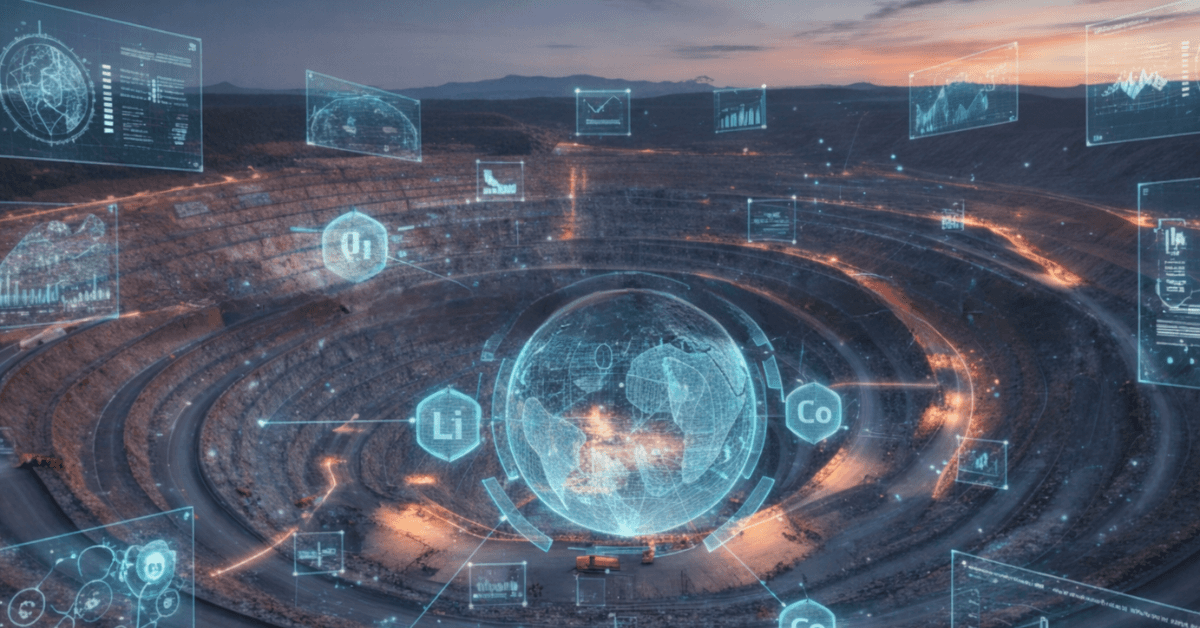
Today, it is no longer just copper, iron, or gold that matter. Lithium, cobalt, gallium, rare earth elements, tin, tungsten, and dozens more have become essential inputs for technologies that power economies and protect nations.
In this environment, every mineral is critical.
And increasingly, every dataset tied to those minerals is critical too.
A Broader Definition of “Critical”
Critical minerals are often discussed as a checklist. Governments publish lists. Companies chase supply. Headlines focus on shortages and geopolitics.
But the real shift is deeper than policy.
Modern technologies rely on combinations of materials. Semiconductors depend on trace elements used in tiny quantities but with enormous impact. Electric vehicles rely on multiple metals across batteries, motors, wiring, and electronics. Defense systems incorporate dozens of specialized materials across thousands of components.
This creates a discovery challenge. Exploration is no longer about finding a single metal in isolation. It is about understanding complex geological systems, historical signals, and spatial relationships across regions and time.
That requires more than drilling. It requires geospatial context.
The Hidden Constraint Is Not the Rock: It’s the Data
Across the world, vast amounts of geological knowledge already exist.
Decades of surveys, reports, maps, drilling records, geochemical assays, and government archives sit in national institutions and company data rooms. Much of this information was expensive to collect and technically sound when it was created.
Yet it remains underused.
Not because it lacks value, but because it lacks structure, connectivity, and spatial clarity. Reports are stored as PDFs. Maps are detached from coordinates. Datasets live in isolation, disconnected from one another and from the landscape they describe.
In a world where every mineral matters, fragmented data becomes a strategic liability.
Why Spatial Context Changes Everything
Mineral systems are spatial by nature. Geology does not exist in spreadsheets. It exists in places.
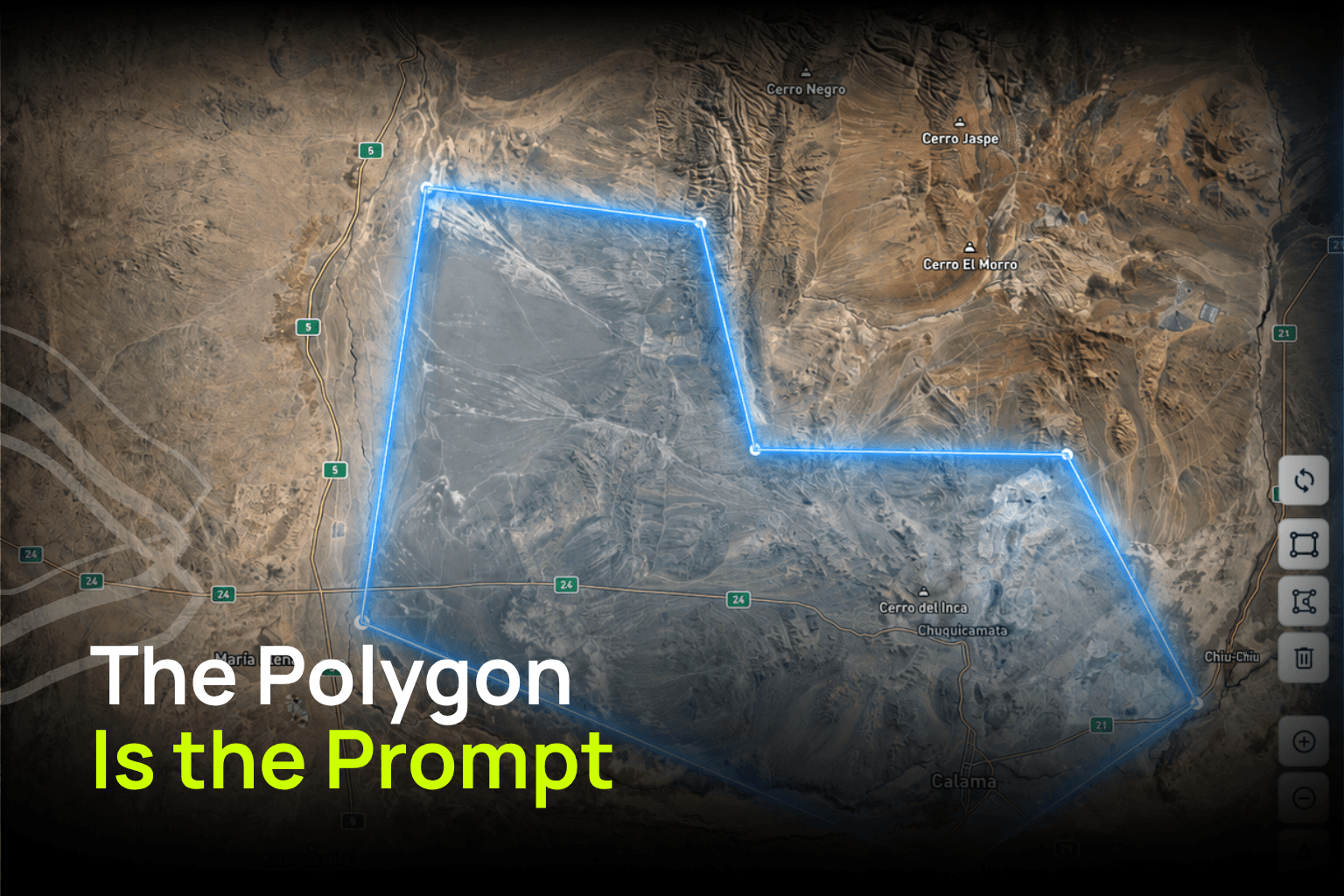
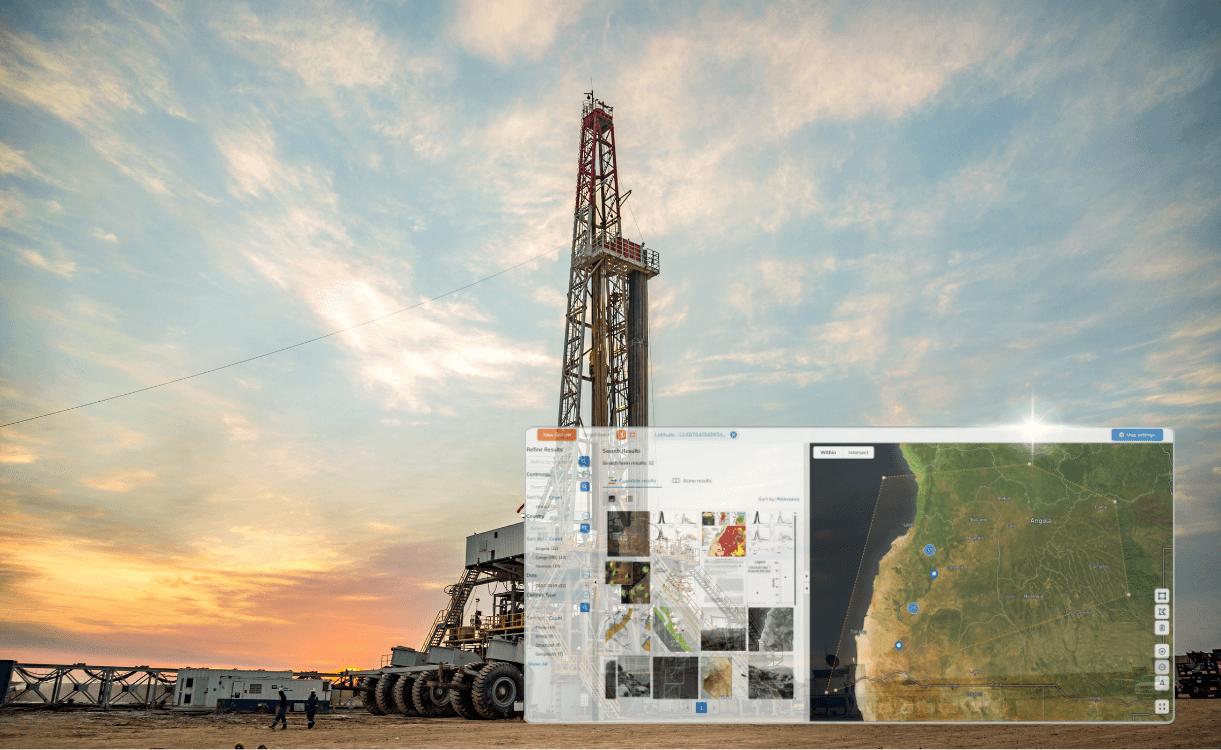
When legacy data is enriched and spatialized, its value changes dramatically. Historical reports can be placed back onto the ground they describe. Old drilling results can be analyzed alongside modern datasets. Patterns that were invisible in isolation begin to emerge when information is layered geographically.
This is where discovery accelerates.
Instead of re-running surveys or repeating past work, teams can build on what already exists. Instead of making decisions with partial visibility, they can evaluate opportunities with a more complete picture of subsurface potential.
In the new metals age, the ability to see across space and time is a competitive advantage.
From Scarcity to Strategy
The global conversation around minerals often centers on scarcity. Supply shortages. Geopolitical risk. Competition for resources.
But for many organizations and governments, the immediate opportunity lies closer to home.
It lies in transforming existing geological knowledge into a decision-ready, spatially intelligent asset. One that supports exploration, planning, monitoring, and long-term strategy across a growing range of critical materials.
As the definition of “critical” continues to expand, so does the importance of data that is structured, connected, and geographically grounded.
Because in the new metals age, discovery is no longer driven by luck alone.
It is driven by how well we understand the ground beneath our feet and the data already describing it.