
Recent industry data points to a concerning trend in global oil and gas exploration: discoveries are falling dramatically while the cost of finding new resources is rising.
According to recent estimates, the average size of global oil and gas discoveries has collapsed from roughly 1,218 barrels of oil equivalent (boe) in 2019 to just 44 boe in 2025, a staggering decline of nearly 95%. At the same time, the cost of finding new resources has surged from approximately $2.40 per barrel to nearly $6.90 per barrel, almost tripling in just a few years (Source from Rystad Energy).
The implication is clear: the industry is spending significantly more money while discovering significantly less oil and gas.
In geopolitically turbulent times, this issue becomes even more critical. Current tensions surrounding the Iran war highlight the vulnerability of key global trade chokepoints such as the Strait of Hormuz, a vital corridor for liquefied natural gas (LNG). Disruptions in this route can drive gas prices sharply higher and rapidly deplete gas storage for countries and industries that rely on foreign energy supplies.
For governments, energy companies, and investors, this raises an urgent question: Are we approaching a structural supply gap?
The Hidden Problem: Untapped Geological Knowledge
One of the most overlooked factors behind declining discovery rates is data accessibility and usability.
Across many resource-rich regions of the world, decades of geological work already exist:
Geological surveys
Exploration reports
Seismic interpretations
Historic drilling data
Regional mineral and hydrocarbon assessments
However, much of this information remains locked in paper archives, scanned reports, static PDFs, and fragmented databases. Valuable geological insights are effectively invisible to modern exploration workflows.
This creates a paradox: The world may already possess vast geological knowledge, but it remains underutilized.
Turning Geological Archives into Exploration Intelligence
This is where modern geological intelligence platforms become essential.
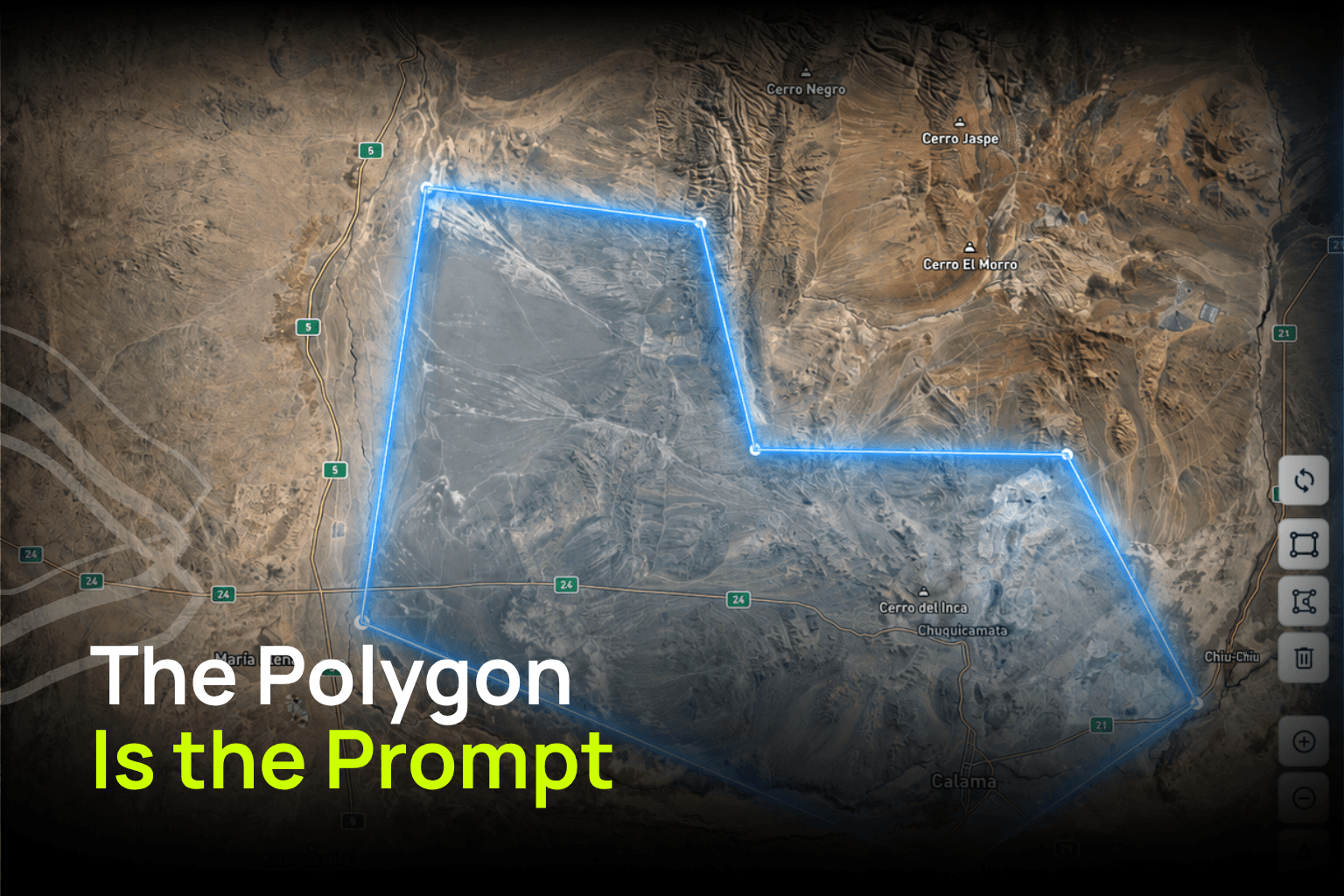
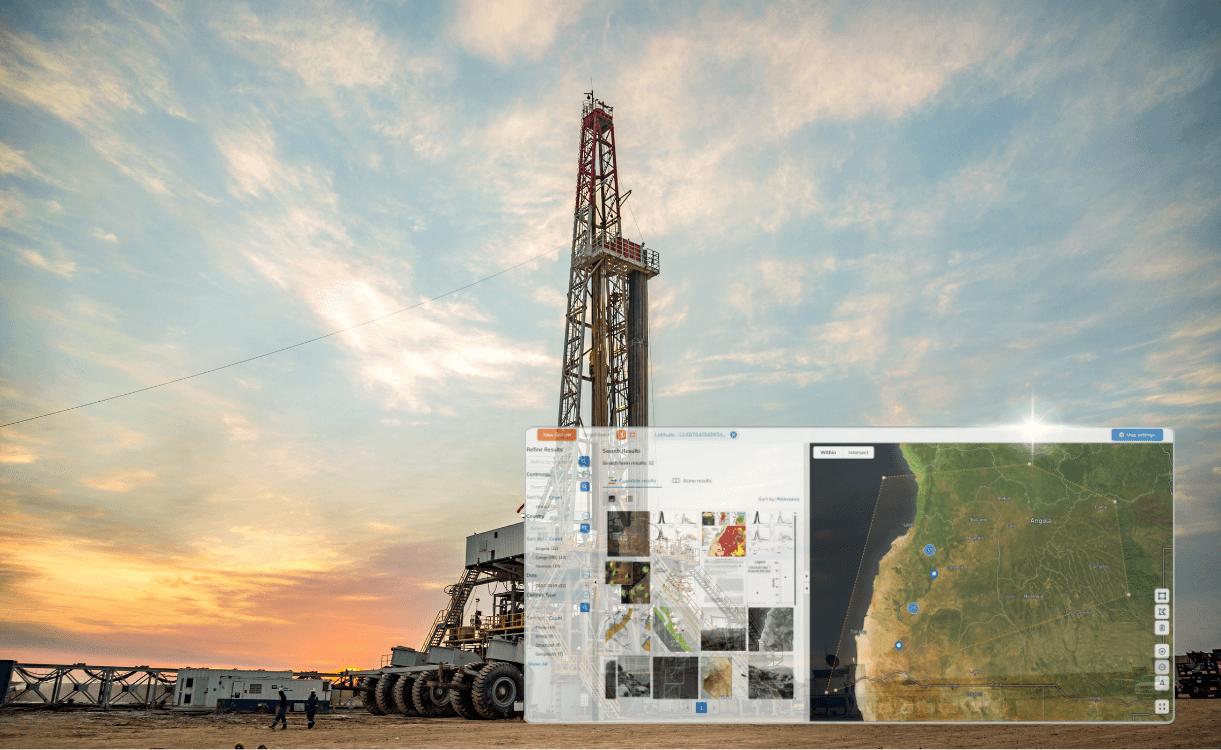
GeoIntelX focuses on transforming unstructured geological data into structured, searchable intelligence that exploration teams, governments, and investors can use.
Through advanced data processing and spatial intelligence technologies, GeoIntelX helps:
Digitize national geological surveys
Convert legacy reports into structured datasets
Spatialize historical exploration records
Identify overlooked exploration opportunities
Support strategic resource development
Instead of starting exploration from scratch, organizations can unlock decades of accumulated geological knowledge.
Why This Matters for Global Resource Security
If discovery rates continue to decline while demand remains strong, the world may face increasing energy supply pressures over the coming decades.
However, the challenge is not simply about drilling more wells or spending more capital.
It is about finding resources smarter.
By leveraging digitized geological intelligence, governments and exploration companies can:
Reduce exploration uncertainty
Lower discovery costs
Identify underexplored basins
Accelerate responsible resource development
In many cases, the next generation of discoveries may come from insights hidden in existing data rather than entirely new exploration frontiers.
A New Era of Exploration
The global energy system is evolving, but hydrocarbons remain a critical component of the world’s energy mix for the foreseeable future.
As discovery efficiency declines and costs rise, data-driven geological intelligence will become a central pillar of successful exploration strategies.
GeoIntelX is working at the intersection of geology, data science, and spatial intelligence to help unlock the value hidden within decades of geological archives.
Because the future of resource discovery may depend not only on where we drill next, but also on how well we understand the data we already have.
This becomes even more relevant in times of geopolitical uncertainty, when strategic decisions often require diversifying assets across multiple geographies to reduce the risks associated with regionally concentrated portfolios. In this environment, sophisticated data management and a dynamic, scalable knowledge system become essential and this is precisely where GeoIntelX provides value.