In many regions, the challenge begins with a lack of data. But even in places where information is abundant, the much larger obstacle is the lack of context. Across the world, companies and government agencies are sitting on enormous volumes of geological, geophysical, and geochemical information, yet much of that investment remains locked inside old reports, isolated spreadsheets, disconnected databases, or physical archives.
Because of this, exploration teams often spend large portions of their time re-collecting or re-analyzing information that already exists. Important decisions are made without the complete spatial picture. Every blind drill hole, every repeated survey, and every misaligned dataset quietly drains the budget. The cost adds up quickly.
The Hidden Costs of Disconnected Data
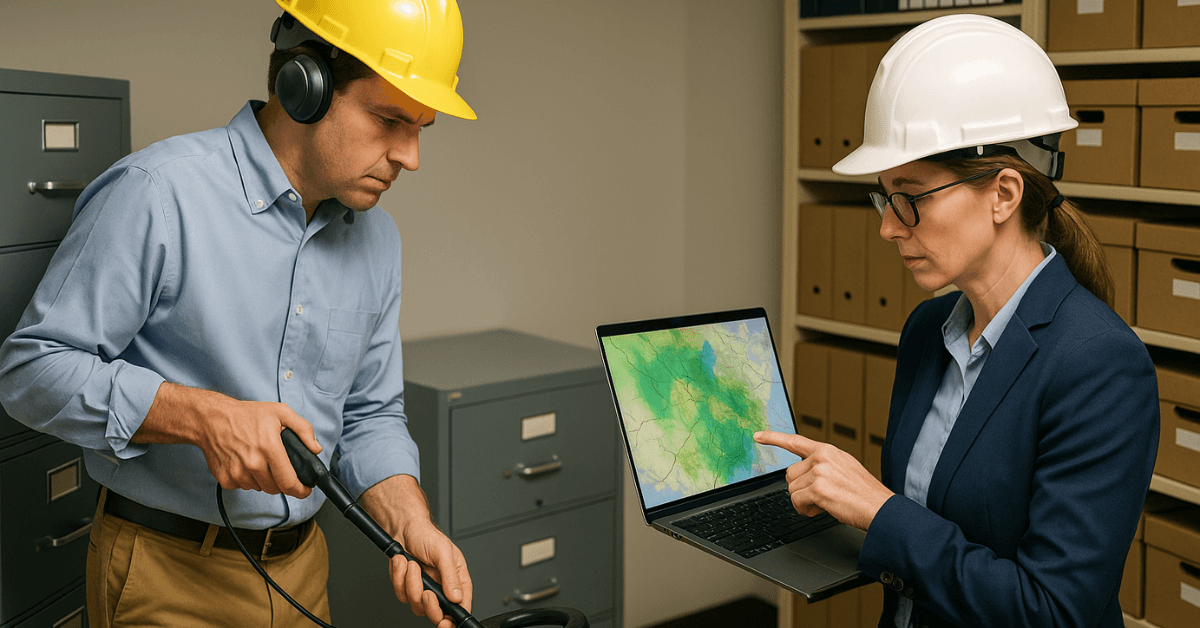
In a typical exploration program, a significant amount of time disappears into the effort of locating, cleaning, and interpreting legacy information. Highly trained engineers and geoscientists spend entire weeks searching through old logs or cross-referencing files that should already be integrated into a single system.
Meanwhile, field programs advance even though only part of the available information is being used. When a geological report from twenty or thirty years ago cannot be accurately placed on a modern map, teams risk repeating work that has already been done or overlooking areas that once showed promise. One unnecessary survey or misplaced drill hole can cost hundreds of thousands of dollars. When this happens across multiple projects and multiple years, the financial waste becomes substantial.
This situation does more than misallocate exploration spending. It also consumes the time and motivation of valuable employees. Repetitive cleanup work lowers morale and can contribute to frustration or even resignation, which ultimately affects the entire team’s performance.
Why Context Is King
Exploration is fundamentally a spatial science. Every decision, whether it involves selecting drill locations or evaluating targets, depends on understanding the relationships between different datasets and how they fit across geographic space. Without spatial context, even excellent data becomes fragmented information.
Spatial data engineering solves this problem. When legacy reports are enriched with location intelligence, the entire picture changes. Geological maps can align with geophysical grids. Historical data can be accurately placed on the landscape. Separate files begin to form a single interconnected model that can finally be used to guide strategic decisions.
Once each piece of information knows where it belongs, data becomes a strategic asset. Patterns begin to appear. Gaps become visible. A clear picture replaces a blurry one.
The GeoIntelX Approach
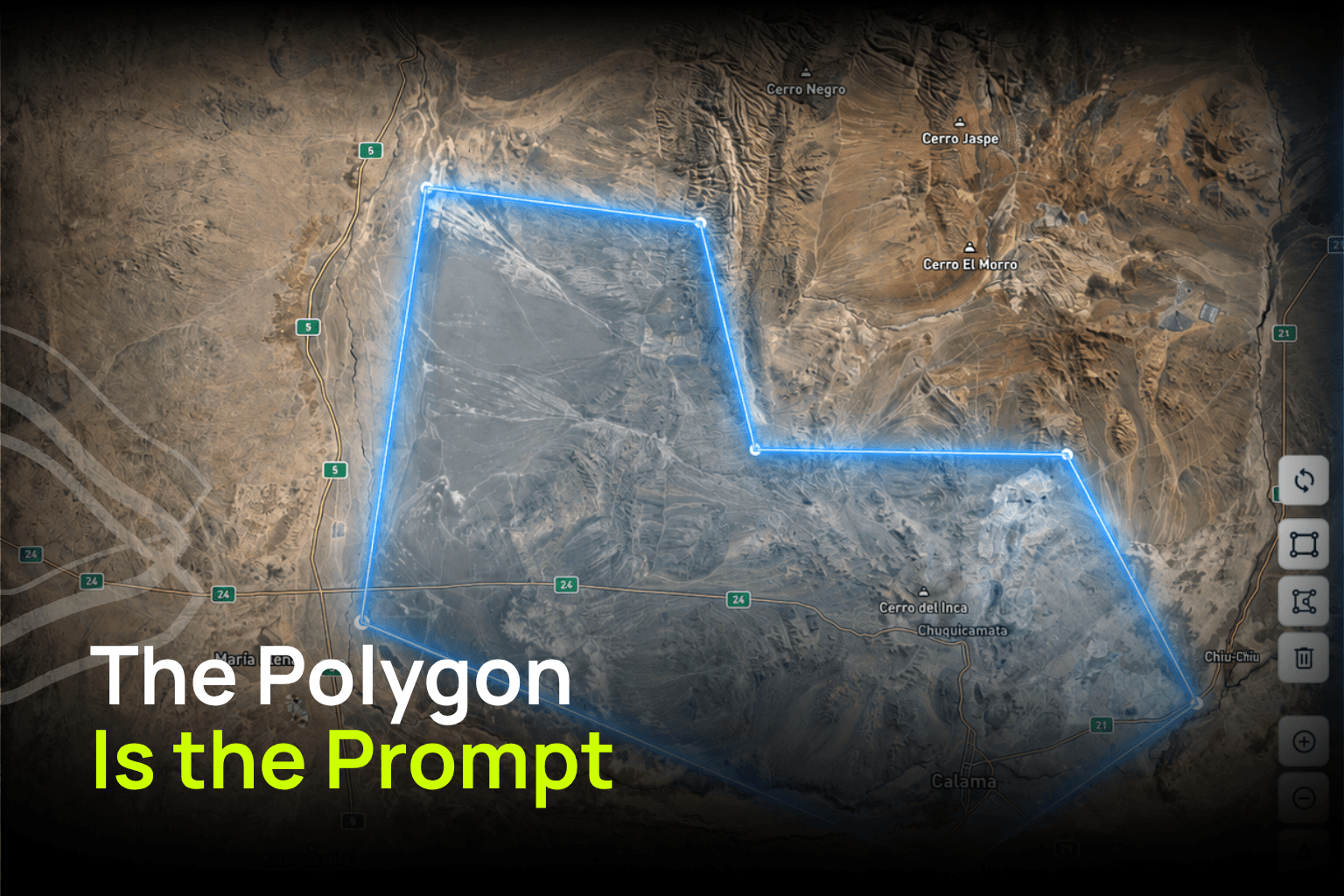
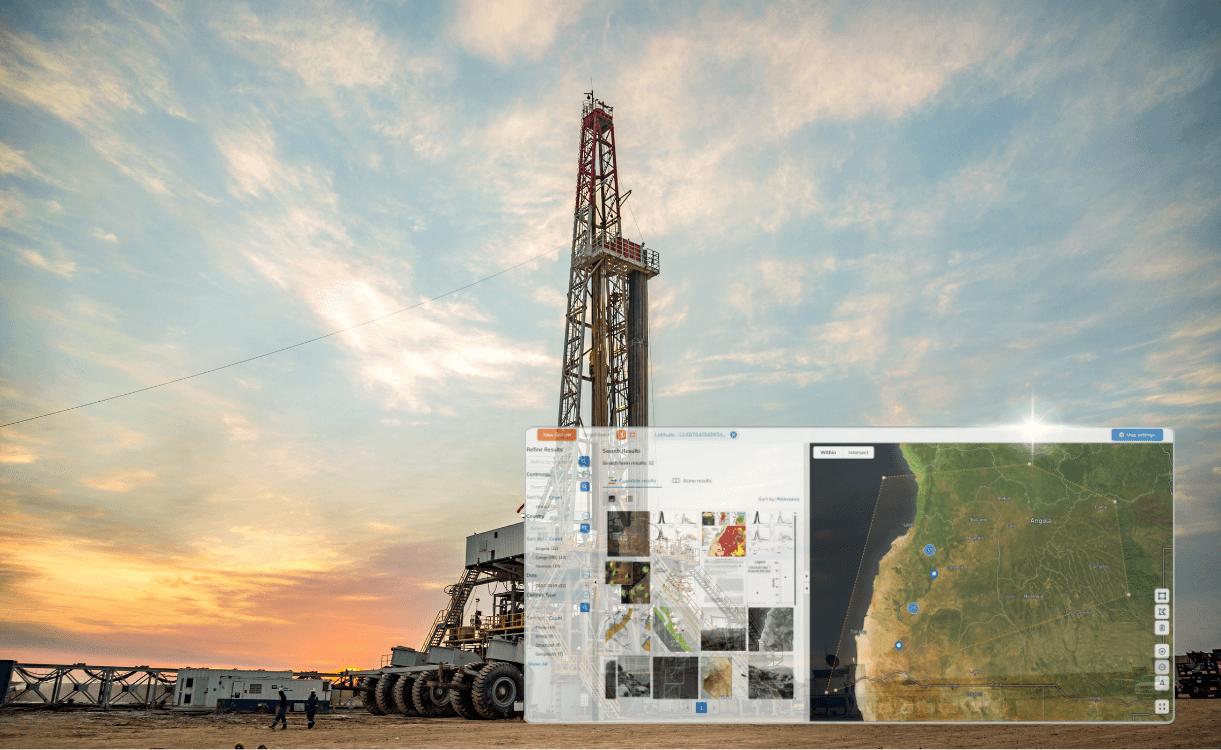
GeoIntelX provides exploration teams with the missing spatial context. The GIX platform brings together thousands of file types from across many decades and organizes them into a unified view. Metadata is extracted, entities are recognized (and structured) and many items are georeferenced so that it appears exactly where it should be on the map.
The result is a fully interactive and searchable environment. Exploration teams can analyze soil samples, magnetic anomalies, and historic drill results in minutes instead of weeks. The platform allows them to see relationships that were previously invisible. Insights emerge quickly. Redundancies are eliminated. The cost of exploration decreases, and the quality of decisions increases.
Reducing Risk, Accelerating Discovery
Spatial data engineering does not replace human expertise. It strengthens it. When geologists and engineers finally have access to the complete story, they can direct their attention toward interpretation and discovery instead of administrative work. Projects that once required months of preparation can move to drill-ready status in a fraction of the time. With the help of AI in both automation and insights, the improvement in efficiency is immediate. The financial impact can be significant. The probability of success is higher because decisions are made by a comprehensive, spatially intelligent dataset.
A Smarter Way Forward
The future belongs to exploration teams that can see the entire landscape clearly. With GIX, experts bring their experience, intuition, and analysis to a structured environment where the data works with them instead of against them. Organizations that enrich and connect their historical information will improve discovery rates and spend their budgets more effectively. Those that continue to work in isolation will continue spending more to achieve less.
In exploration, the most expensive mistake is not a failed drill hole. It is missing the insight that was already there, hidden inside your own files.